
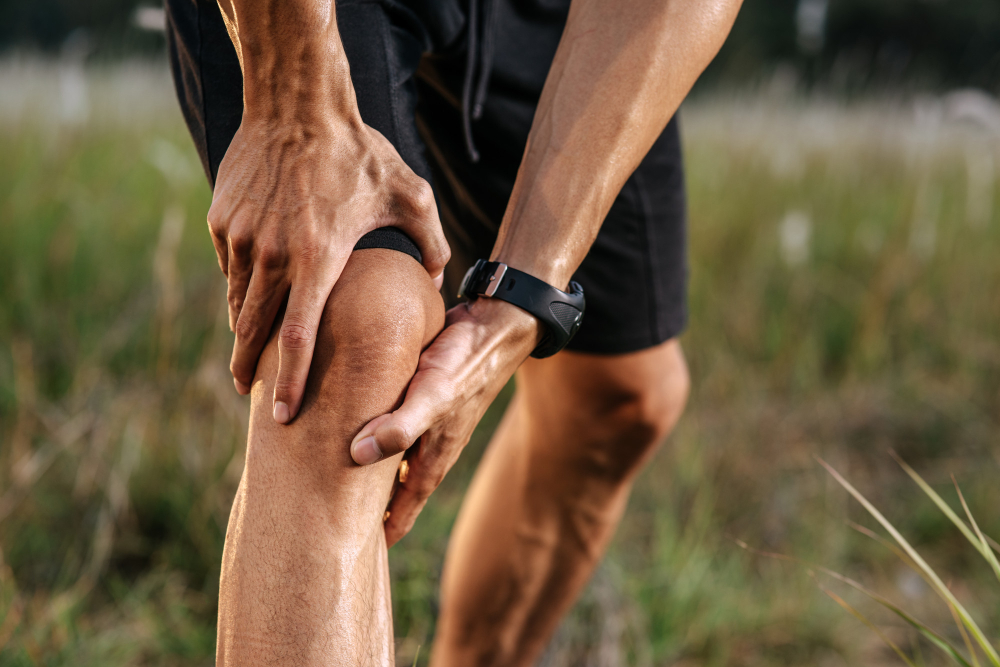
What is Knee Pain?
Knee pain is a common problem that affects people of all ages. It can make walking, climbing stairs, or even sitting difficult. Often, knee pain starts suddenly after an injury. However, it can also develop slowly over time. Because the knee is a large and complex joint, many things can cause pain here. If you have knee pain, you are not alone. According to the CDC, millions of people experience knee pain each year. Understanding the causes and symptoms can help you find relief and prevent future problems.
Common Causes of Knee Pain
There are many causes of knee pain. Sometimes, the pain comes from an injury. Other times, it is due to wear and tear. Here are some common causes of knee pain:
Because knee pain has many causes, it is important to know what is behind your pain. This helps you get the right treatment.
Symptoms of Knee Pain
Knee pain symptoms can vary. Sometimes, the pain is sharp. Other times, it is dull or throbbing. In addition, you may notice other signs. Common symptoms include:
Because these symptoms can affect daily life, it is important to pay attention to them. Early care can help prevent the pain from getting worse.
How Knee Pain is Diagnosed
Doctors use several steps to find the cause of knee pain. First, they ask about your symptoms and medical history. Next, they examine your knee. Often, they check for swelling, tenderness, or movement problems. Sometimes, doctors order tests to learn more. These may include:
Because each person is different, your doctor will choose the best tests for you. Quick diagnosis can help you start the right treatment sooner.
Treatment Options for Knee Pain
Treatment for knee pain depends on the cause. For many people, simple steps can help. However, some may need more advanced care. Common knee pain treatments include:
Because every case is unique, your doctor will suggest the best treatment for your knee pain.
Lifestyle Tips and Prevention
There are many ways to help prevent knee pain or keep it from coming back. For example, you can:
Because climate and terrain can affect knee pain, people in hilly or cold areas should take extra care. For instance, use handrails on stairs and wear warm clothing in winter. These simple steps can help protect your knees every day.
When to See a Doctor
Most knee pain gets better with home care. However, you should see a doctor if:
Because early treatment can prevent serious problems, do not wait if you have these signs. Always seek medical help if you are unsure.
In summary, knee pain is common but treatable. Many people find relief with simple steps. However, some cases need medical care. Consult Pavan Advanced Orthopaedic Hospital for expert diagnosis and personalised treatment of knee pain. Take the first step toward stronger, pain-free knees today.