
What is Knee Osteoarthritis?
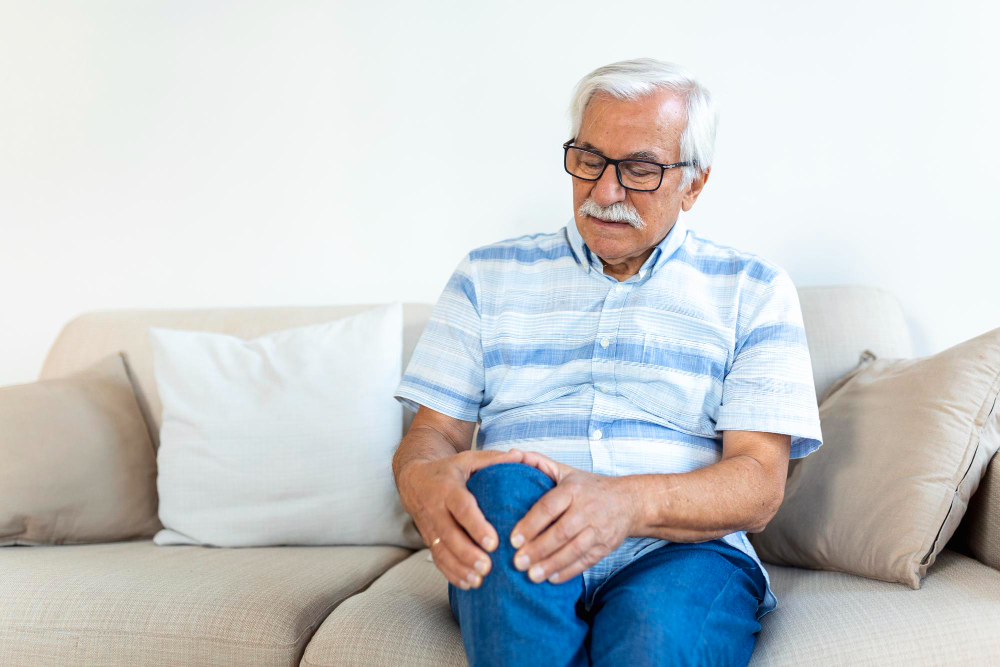
Knee osteoarthritis is a common joint problem. It happens when the cartilage in your knee wears down over time. Cartilage is a smooth tissue that covers the ends of bones. Because of this, your bones may rub together, causing pain and swelling. Many people call this condition “arthritis in the knee.” It can make walking or climbing stairs hard. According to the CDC, knee osteoarthritis is one of the leading causes of knee pain in adults.
Common Symptoms
People with knee osteoarthritis often notice certain signs. These symptoms can get worse over time. However, early treatment can help manage them. Common symptoms include:
Causes and Risk Factors
There are several reasons why someone might develop knee osteoarthritis. While age is a big factor, other things can increase your risk. For example, being overweight puts extra stress on your knees. In addition, past injuries or repeated stress on the knee can lead to arthritis in the knee. Here are some common causes and risk factors:
Diagnosis Methods
If you have knee pain or joint stiffness, a doctor can help find the cause. First, your doctor will ask about your symptoms and health history. Then, they may check your knee for swelling, tenderness, or movement problems. To confirm knee osteoarthritis, doctors often use:
Early diagnosis can help you start the right treatment sooner.
Treatment Options
There are many ways to treat knee osteoarthritis. The goal is to reduce pain and improve movement. Your doctor may suggest one or more of these treatments:
For those seeking knee osteoarthritis treatment in their area, local orthopedic care centers can help.
Lifestyle Tips for Managing Knee Osteoarthritis
Although knee osteoarthritis cannot be cured, you can manage symptoms with healthy habits. For example, staying active can keep your joints flexible. Try these tips to help manage arthritis in the knee:
Prevention Strategies
While you cannot always prevent knee osteoarthritis, some steps can lower your risk. For instance, keeping a healthy weight reduces stress on your knees. In addition, protecting your knees from injury is important. Here are some prevention tips:
Conclusion
Knee osteoarthritis is a common cause of knee pain and joint stiffness. However, early diagnosis and proper treatment can help you stay active. If you notice symptoms, do not wait. Consult an orthopedic specialist at Pavan Advanced Orthopaedic Hospital for personalized advice on knee osteoarthritis.