
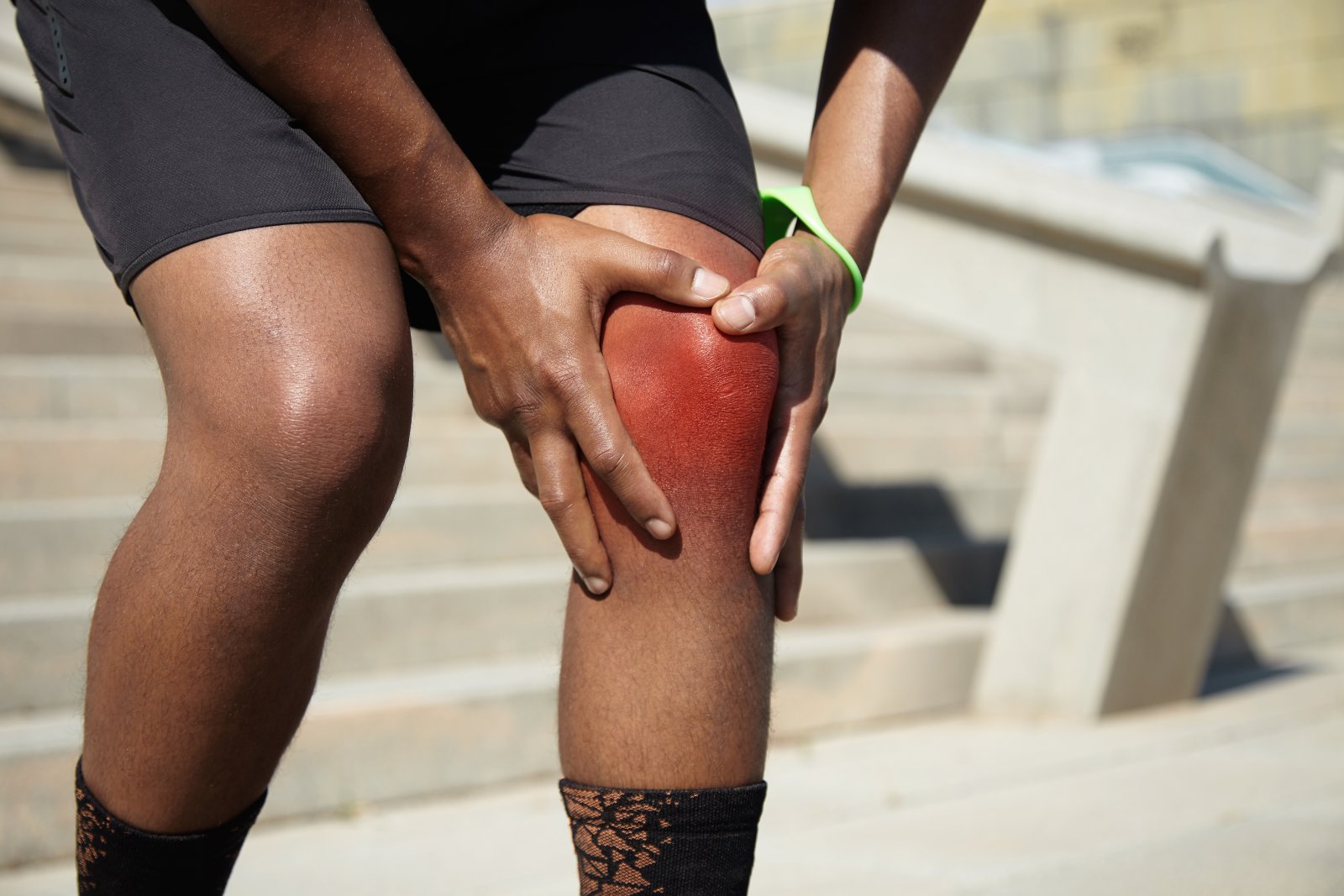
What Is a Meniscus Tear?
Meniscus tears are common knee injuries. The meniscus is a piece of cartilage in your knee. It acts like a cushion between your thigh bone and shin bone. When this cartilage tears, it is called a meniscus tear. Many people get meniscus tears during sports or daily activities. However, anyone can have this injury, especially as they get older. Meniscus tears can cause pain, swelling, and trouble moving your knee. Because the meniscus is important for knee health, it is good to know about this injury.
Common Symptoms of Meniscus Tears
Often, meniscus tear symptoms start right after the injury. But sometimes, they appear slowly. For example, you may feel pain or swelling in your knee. Other signs can include:
Because these symptoms can also happen with other knee injuries, it is important to get a proper diagnosis.
Causes and Risk Factors
Meniscus tears often happen during activities that twist or turn the knee. For instance, sports like soccer, basketball, or tennis can cause these injuries. But, you do not have to be an athlete to get a meniscus tear. Everyday movements, such as squatting or lifting heavy objects, can also lead to a tear. As people age, the meniscus becomes weaker and more likely to tear. Some common risk factors include:
Therefore, knowing your risk can help you take steps to protect your knees.
How Meniscus Tears Are Diagnosed
Doctors use several methods to diagnose meniscus tears. First, they ask about your symptoms and how the injury happened. Next, they examine your knee for swelling, tenderness, or movement problems. Sometimes, doctors use special tests to check for a meniscus tear. In many cases, imaging tests like MRI scans help confirm the diagnosis. X-rays may also be used to rule out other knee problems. Because early diagnosis leads to better treatment, it is wise to see a doctor if you have knee pain or swelling.
Treatment Options for Meniscus Tears
Treatment for meniscus tears depends on the size and location of the tear. For minor tears, rest and home care may be enough. However, larger or more painful tears might need medical treatment. Common treatment options include:
Local orthopedic clinics offer both non-surgical and surgical care for meniscus tears. Because each case is different, your doctor will suggest the best treatment for you.
Prevention and Lifestyle Tips
Although not all meniscus tears can be prevented, you can lower your risk. For example, you can:
Because healthy knees are important for daily life, these steps can help you stay active and pain-free.
In summary, meniscus tears are a common knee injury. They can cause pain, swelling, and trouble moving your knee. Early diagnosis and proper treatment can help you recover faster. Consult an orthopedic specialist at Pavan Advanced Orthopaedic Hospital for personalized advice on meniscus tears.