Introduction
Cervical spondylosis is a common cause of neck pain, especially as people age. This condition affects the bones and discs in your neck. Because neck pain can limit daily activities, understanding cervical spondylosis, its causes, and available treatments is important. Early knowledge helps you manage symptoms and seek the right care. In this blog, you will learn about cervical spondylosis, its symptoms, and how to treat and prevent neck pain.
What is Cervical Spondylosis?
Cervical spondylosis is also called neck arthritis. It happens when the bones and discs in your neck wear down over time. As a result, the space between the bones may get smaller. Sometimes, small bone spurs can form. These changes can press on nerves and cause pain. Although it is more common in older adults, younger people can also get it. According to the World Health Organization, neck pain is a leading cause of disability worldwide.
Common Causes of Neck Pain in Cervical Spondylosis
Many factors can lead to neck pain in cervical spondylosis. For example, the following causes are common:
Because these causes often work together, neck pain can develop slowly over time.
Symptoms to Watch For
Cervical spondylosis symptoms can vary. However, some signs are more common than others. Watch for these symptoms:
Sometimes, severe cases can cause trouble with balance or walking. If you notice these symptoms, seek medical help right away.
How is Cervical Spondylosis Diagnosed?
Doctors use several steps to diagnose cervical spondylosis. First, they ask about your symptoms and medical history. Next, they do a physical exam to check your neck movement and nerve function. In many cases, doctors may order tests such as:
Because early diagnosis helps prevent complications, it is important to see a doctor if you have ongoing neck pain.
Available Treatments for Cervical Spondylosis
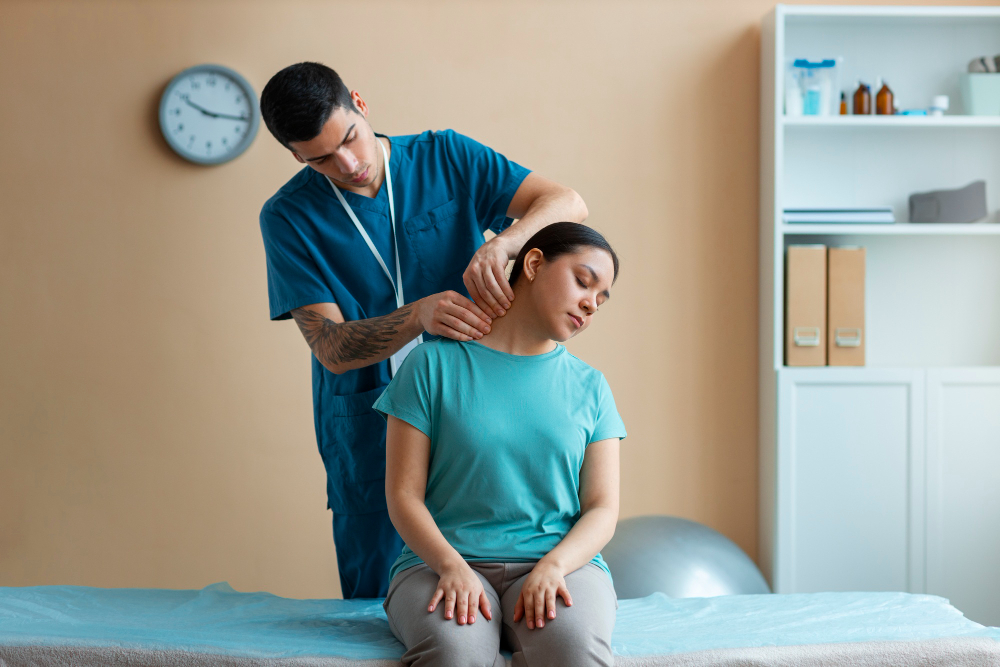
There are many ways to treat cervical spondylosis and manage neck pain. Treatment depends on how severe your symptoms are. Common options include:
Because each person is different, your doctor will suggest the best neck pain treatment for you.
Lifestyle Tips and Prevention
Although you cannot stop aging, you can lower your risk of neck pain. Try these lifestyle tips for managing neck pain at home and preventing cervical spondylosis:
Because small changes can make a big difference, start with one or two tips and build healthy habits over time.
Conclusion
Cervical spondylosis is a common reason for neck pain, but many treatments and lifestyle changes can help. Early diagnosis and proper care are key to managing symptoms.
Consult Pavan Advanced Orthopaedic Hospital for personalized guidance and expert care in managing cervical spondylosis.