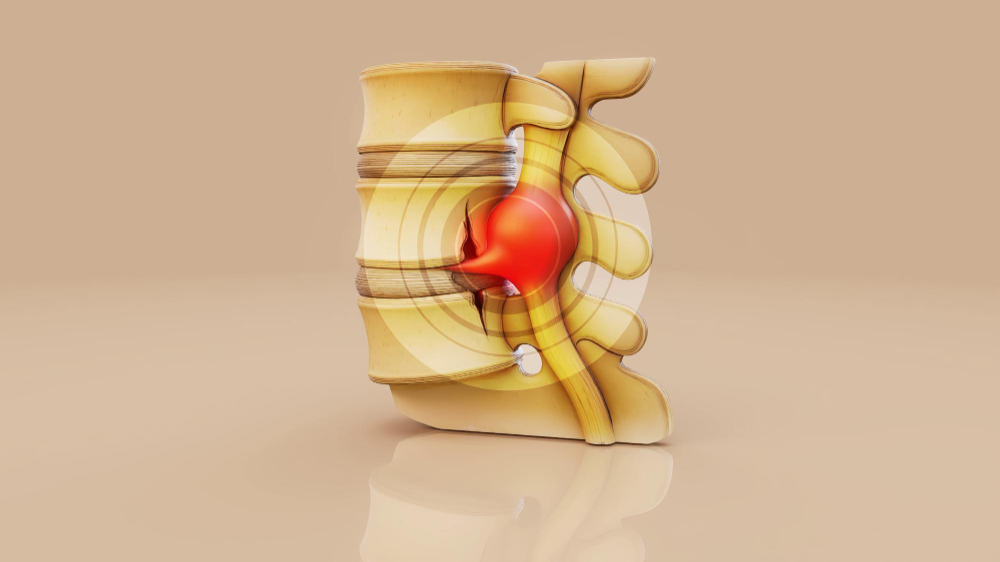
What is a Herniated Disc?
A herniated disc is a common cause of back pain. It happens when the soft center of a spinal disc pushes out through a crack in the outer layer. This condition is also called spinal disc herniation. The disc can press on nearby nerves, which may cause pain, numbness, or weakness. Many people experience herniated disc symptoms at some point in their lives. Although it can be painful, most cases improve with simple treatments. Understanding the basics of herniated disc can help you manage your spine health.
Common Symptoms of Herniated Disc
Not everyone with a herniated disc has symptoms. However, when symptoms do appear, they can affect daily life. For example, you may notice pain in your back or legs. Below are some common herniated disc symptoms:
Sometimes, symptoms can be mild. But in other cases, they may be severe and limit your activities. If you notice sudden weakness or loss of bladder control, seek medical help right away.
Main Causes of Herniated Disc
There are several reasons why a herniated disc may occur. Most often, it is related to aging. As we get older, spinal discs lose water and become less flexible. This makes them more likely to tear or rupture. However, other factors can also play a role. Here are some common causes:
Because these causes are common, herniated discs can happen to anyone. But you can lower your risk by taking care of your back.
How is Herniated Disc Diagnosed?
Doctors use several steps to diagnose a herniated disc. First, they ask about your symptoms and medical history. Next, they perform a physical exam to check your strength, reflexes, and feeling in your arms or legs. Sometimes, imaging tests are needed. These may include:
With these tests, doctors can find the exact spot of the herniated disc. This helps them choose the best herniated disc treatment for you.
Treatment Options for Herniated Disc
Most people with a herniated disc get better without surgery. In fact, simple treatments often work well. Here are some common herniated disc treatment options:
In rare cases, surgery may be needed if symptoms do not improve. Orthopedic spine care specialists can help decide if surgery is right for you. According to the CDC and WHO, most people recover with non-surgical care.
Tips for Prevention and Healthy Spine Care
While you cannot prevent all cases, you can lower your risk of spinal disc herniation. Here are some tips for a healthy spine:
Because prevention is key, these habits can help protect your back and lower your risk of herniated disc.
In summary, a herniated disc is a common cause of back pain. Early care and healthy habits can make a big difference. Consult an orthopedic specialist at Pavan Advanced Orthopaedic Hospital for personalized advice on herniated disc care.