What Is a Shoulder Dislocation?
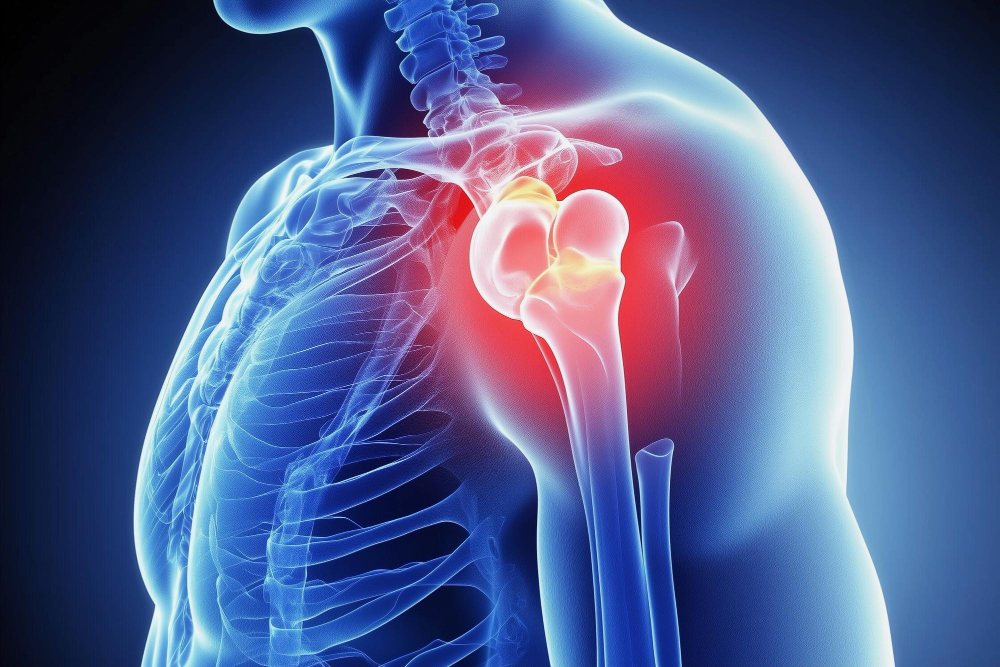
Shoulder dislocation happens when the upper arm bone pops out of the shoulder socket. This injury is common because the shoulder joint is very flexible. However, this flexibility also makes it easy to dislocate. Understanding shoulder dislocation causes can help you stay safe. When the joint moves out of place, it can cause pain, swelling, and trouble moving your arm. Sometimes, the shoulder may look odd or feel numb. If you think your shoulder is dislocated, you should get help right away.
Common Causes of Shoulder Dislocation
Many people wonder, “Why does shoulder dislocation happen?” There are several reasons. Some causes are more common in certain groups, like athletes or older adults. Here are the main shoulder injury causes:
In addition, some people may dislocate their shoulder from simple movements if their joints are very loose.
Risk Factors for Shoulder Dislocation
Some people have a higher chance of dislocating their shoulder. Knowing these risk factors for shoulder dislocation can help you take steps to protect yourself. For example, young men and athletes are more likely to get this injury. But older adults can also be at risk, especially after a fall. Here are some key risk factors:
Because of these factors, it is important to stay aware and take care during risky activities.
How to Prevent Shoulder Dislocation
Although not all shoulder dislocations can be avoided, you can lower your risk. Preventing shoulder dislocation is possible with some simple steps. For instance, you can:
Additionally, if you have had a shoulder injury before, follow your doctor’s advice to prevent another one.
When to Seek Medical Help
Sometimes, a shoulder dislocation is easy to spot. However, you should always see a doctor if you think your shoulder is out of place. Seek medical help right away if you notice:
Early treatment can help prevent further damage. According to the CDC and orthopedic experts, quick care leads to better healing and less risk of future problems.
If you suspect a shoulder dislocation, consult an orthopedic specialist at Pavan Advanced Orthopaedic Hospital for proper diagnosis and treatment.