
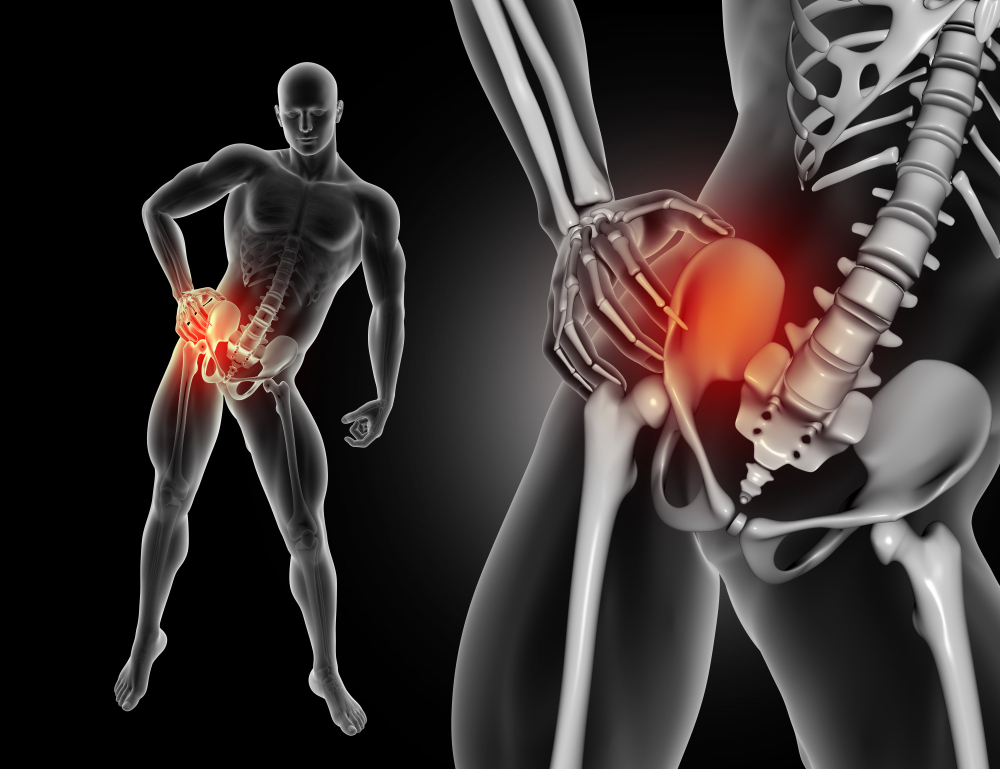
What is Hip Arthritis?
Hip arthritis is a condition where the hip joint becomes inflamed. This inflammation can cause pain, stiffness, and mobility problems. The hip joint connects your thigh bone to your pelvis. Over time, the smooth cartilage in the joint can wear down. As a result, bones may rub together. This can make daily activities harder. Hip arthritis is common, especially as people age. According to the CDC, millions of adults in the United States live with arthritis. While there are different types, osteoarthritis is the most common in the hip.
Common Symptoms
People with hip arthritis often notice several symptoms. These can affect daily life. For example, pain is a main sign. It may start slowly and get worse over time. Stiffness is also common, especially in the morning or after sitting. Mobility issues can make walking or climbing stairs difficult. Sometimes, you may hear a grinding sound in the hip. Other symptoms include:
Because these symptoms can change, it is important to track them. Early treatment can help manage hip joint pain and stiffness.
Causes and Risk Factors
There are several causes of hip arthritis. Most often, it is due to wear and tear over time. This is called osteoarthritis. However, other types like rheumatoid arthritis can also affect the hip. Some risk factors increase your chances of developing hip arthritis. For instance, age is a major factor. As people get older, their joints naturally wear down. Other risk factors include:
While you cannot change some risks, you can take steps to protect your joints.
Diagnosis and When to See a Doctor
If you notice hip pain or stiffness that does not go away, you should see a doctor. Early diagnosis can help prevent further joint damage. Doctors will ask about your symptoms and medical history. They may also check how you move your hip. In many cases, imaging tests like X-rays or MRI scans help confirm the diagnosis. Blood tests may be used to rule out other types of arthritis. If you have trouble walking, severe pain, or sudden swelling, seek medical help right away. Timely care can improve your quality of life.
Treatment Options
There are many ways to treat hip arthritis. The right treatment depends on your symptoms and overall health. Medical treatments often include:
Sometimes, surgery may be needed. Hip replacement surgery is common when other treatments do not help. In addition, lifestyle changes can make a big difference. For example, losing weight can reduce stress on the hip. Gentle exercises, like swimming or walking, can keep the joint flexible. Always talk to your doctor before starting new treatments.
Tips for Managing Daily Life with Hip Arthritis
Living with hip arthritis can be challenging. However, small changes can help you stay active and comfortable. Try these tips:
Because everyone is different, you may need to try several strategies. Support from family and friends can also help.
Prevention and Joint Health
While you cannot always prevent hip arthritis, you can protect your joints. For instance, staying at a healthy weight lowers stress on your hips. Regular exercise keeps your muscles strong and supports the joint. Eating a balanced diet with enough calcium and vitamin D helps bone health. Avoiding injuries by using proper techniques during sports or work is also important. If you have a family history of arthritis, talk to your doctor about ways to lower your risk. Early action can help keep your hips healthy for years.
For more information, consult an orthopedic specialist at Pavan Advanced Orthopaedic Hospital for personalized advice on managing hip arthritis.