What Is Fracture Healing?
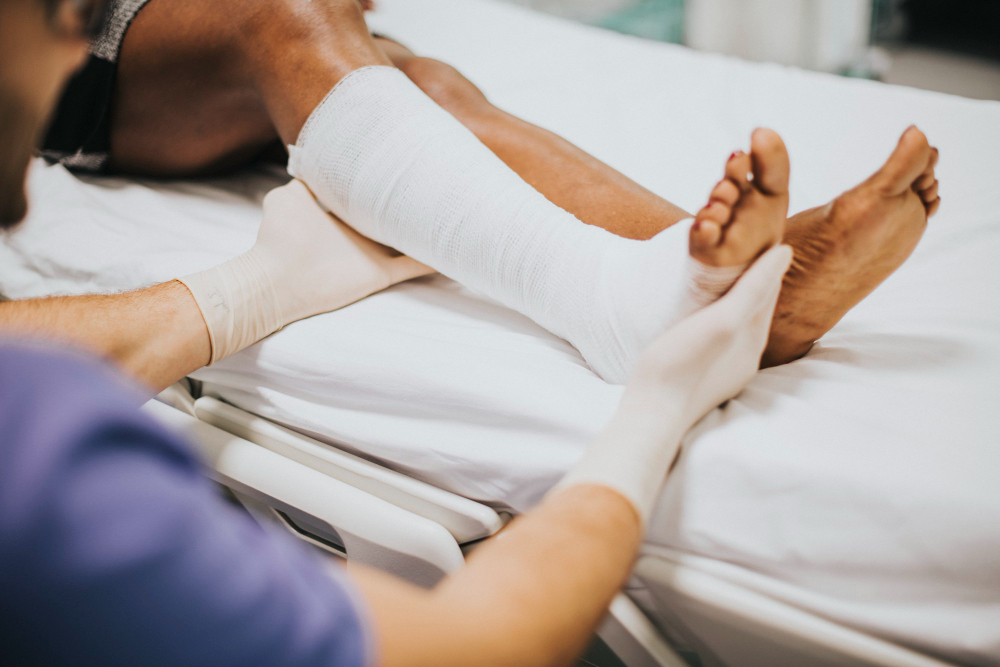
Fracture healing is the body’s way of repairing a broken bone. When a bone breaks, the body starts a natural process to fix it. This process is important because strong bones help us move and stay active. The fracture healing stages in adults and children are similar, but healing may take longer as we age. Understanding the bone fracture recovery timeline can help you know what to expect during recovery.
Stages of Fracture Healing
After a bone breaks, healing happens in several steps. Each stage is important for a full recovery. Here are the main stages of fracture healing:
Each stage is needed for proper healing. However, the full bone fracture recovery timeline can vary from person to person.
Common Causes of Delayed or Abnormal Healing
Sometimes, bones do not heal as expected. There are several reasons why fracture healing may be delayed or abnormal. For example, poor blood flow to the area can slow healing. Infections at the fracture site can also cause problems. Smoking, certain medicines, and health conditions like diabetes may affect healing. In some cases, the bone may not heal at all, which is called a nonunion. Knowing these risks can help you avoid delays in your recovery process.
Diagnosis and Monitoring of Fracture Healing
Doctors use different ways to check how a fracture is healing. Usually, they take X-rays to see the bone’s progress. Sometimes, they may use CT scans or MRI for a closer look. During follow-up visits, your doctor will check for pain, swelling, and movement. If healing is slow, your doctor may suggest more tests. Regular check-ups help make sure the bone is healing well and on track.
Treatment Options for Supporting Recovery
There are many ways to help a broken bone heal. Most fractures need a cast or splint to keep the bone still. Sometimes, surgery is needed to hold the bone together with metal pins or plates. In addition, doctors may suggest physical therapy to help you regain strength. Eating foods rich in calcium and vitamin D can also support bone healing. Your doctor will choose the best treatment based on your age, health, and the type of fracture.
Tips for a Smooth Recovery Process
Following your doctor’s advice is key to a smooth recovery. Here are some tips to help your bone heal:
With these steps, you can support your body’s natural healing process.
Prevention of Future Fractures
After healing, it is important to protect your bones. You can lower your risk of future fractures by staying active and doing weight-bearing exercises. Eating healthy foods helps keep bones strong. If you smoke, try to quit, as smoking weakens bones. Wearing proper shoes and using safety gear during sports can also help prevent injuries. For older adults, making the home safer can reduce falls and fractures.
Conclusion
Fracture healing is a step-by-step process that takes time and care. Each stage is important for a full recovery. If you have questions about your bone fracture recovery timeline or how long a fracture takes to heal, consult an orthopedic specialist at Pavan Advanced Orthopaedic Hospital for personalized fracture recovery guidance.